AI Solutions
LLM agents, RAG pipelines, automation copilots.
Ideas → Systems → Impact
A personal space for projects, experiments, architecture notes, AI explorations, and technology designed to solve real-world business problems.
Areas
The kinds of problems I find interesting and have spent real time on.
LLM agents, RAG pipelines, automation copilots.
Airline systems, GDS integrations, ops automation.
Process orchestration across finance, ops, sales.
Workflow engines, integration buses, n8n / Zapier.
LMS platforms, assessment, learning analytics.
REST, GraphQL, webhooks, event streams.
Edge devices, telemetry, real-time dashboards.
Domain-driven, scalable, observable platforms.
LLM agents, RAG pipelines, automation copilots.
Airline systems, GDS integrations, ops automation.
Process orchestration across finance, ops, sales.
Workflow engines, integration buses, n8n / Zapier.
LMS platforms, assessment, learning analytics.
REST, GraphQL, webhooks, event streams.
Edge devices, telemetry, real-time dashboards.
Domain-driven, scalable, observable platforms.
Notes
Quick takes on what I’m building, learning, and figuring out.
 Something Different
Education is often measured by grades, degrees, and career opportunities. But what if the true purpose of education goes far beyond securing a job? During an inspiring orientation address at MGM University, renowned academician, media expert, and geopolitical analyst Prof. Dr. Zameer Abbas Jafri challenged students to rethink everything they believe about learning, success, and personal growth.
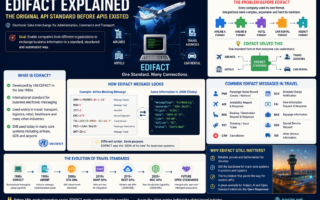
Read article →Before REST APIs, JSON, and cloud integrations, the global travel industry relied on EDIFACT, an international messaging standard that enabled airlines, GDS platforms, and travel agencies to communicate using a common language. This article explains what EDIFACT is, why it was created, how it powers airline reservations, and why its evolution offers valuable lessons for today's AI interoperability initiatives such as Open Responses.
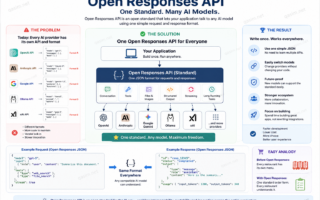
The AI ecosystem is growing rapidly, but every model provider exposes a different API, making multi-model development complex and expensive. This guide explains what the Open Responses API is, why it was created, the problems it solves, and how a common AI API standard enables developers to build once and connect to multiple AI models with minimal code changes. Learn how Open Responses fits into the future of Agentic AI and AI interoperability.
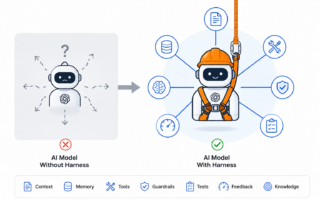
An AI model is only one part of an intelligent system. Discover what an AI Harness is, why it matters, and how context, memory, tools, guardrails, and evaluations transform AI models into reliable AI agents capable of solving real-world problems.
Projects
A selection — production systems, side projects, and the occasional weekend tool.

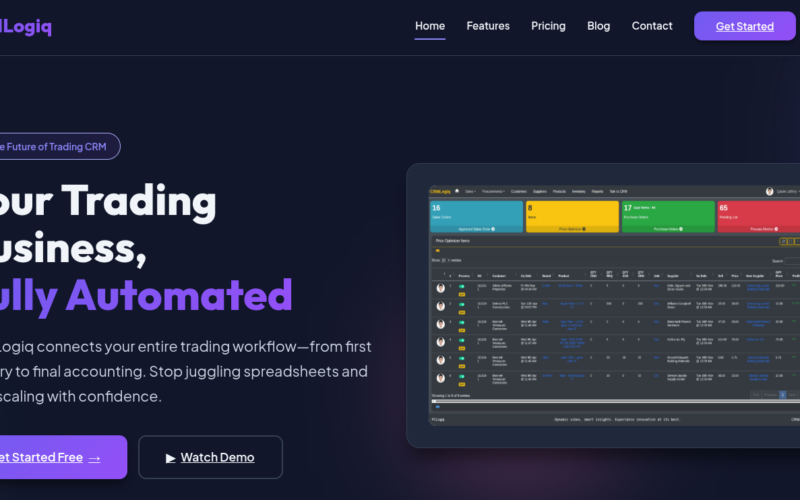
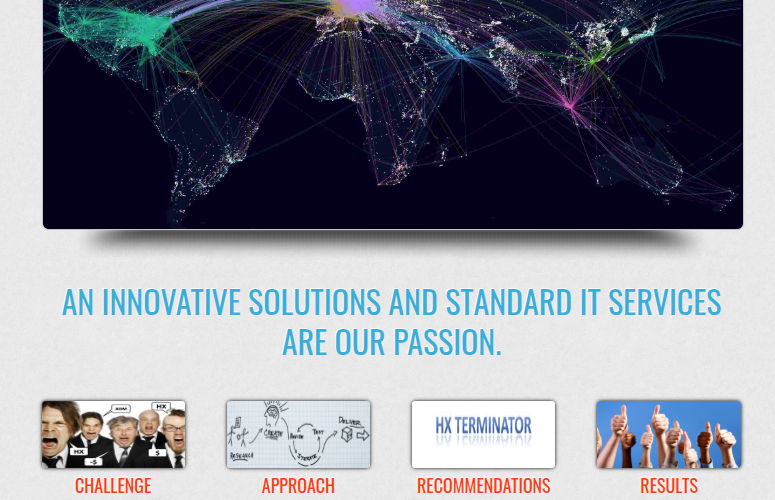
HX Terminator was a centralized web-based robotic automation platform capable of automatically monitoring, identifying, processing, and clearing HX-related airline segment status changes from Sabre Passenger Name…
Read more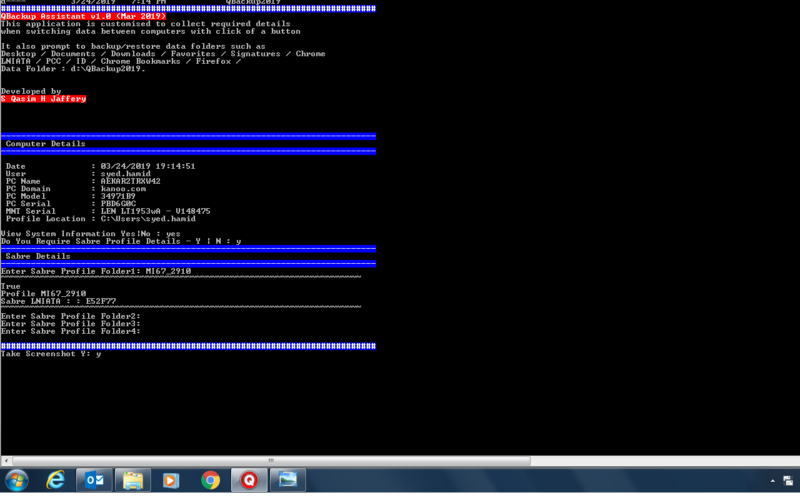
Q Backup Assistance was a centralized technical support utility that simplified, standardized, and accelerated the process of computer replacement, user migration, troubleshooting, and backup operations within…
Read more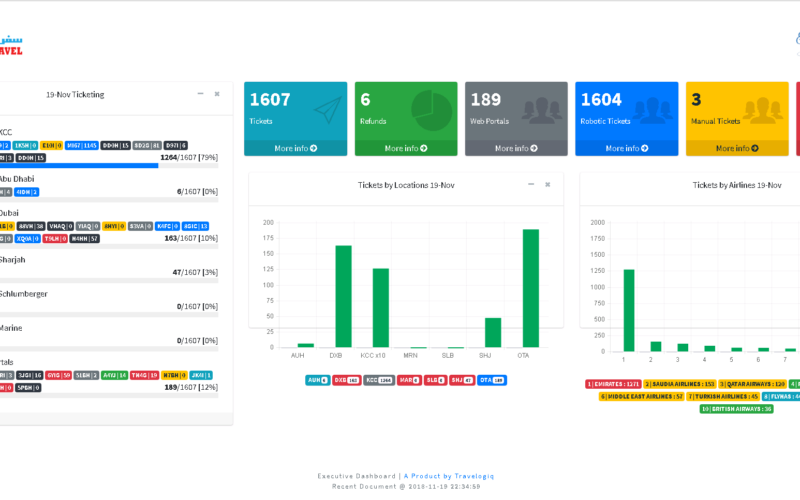
HX Terminator was a centralized web-based robotic automation platform capable of automatically monitoring, identifying, processing, and clearing HX-related airline segment status changes from Sabre Passenger Name…
Read more
Q Backup Assistance was a centralized technical support utility that simplified, standardized, and accelerated the process of computer replacement, user migration, troubleshooting, and backup operations within…
Read more
Path
Add roles in the Experience plugin to populate the timeline.
Stack
Hello
Drop a note — whether it’s a project, website, application, AI workflow, collaboration, consultancy, mentorship, or simply a hello.