Charminar
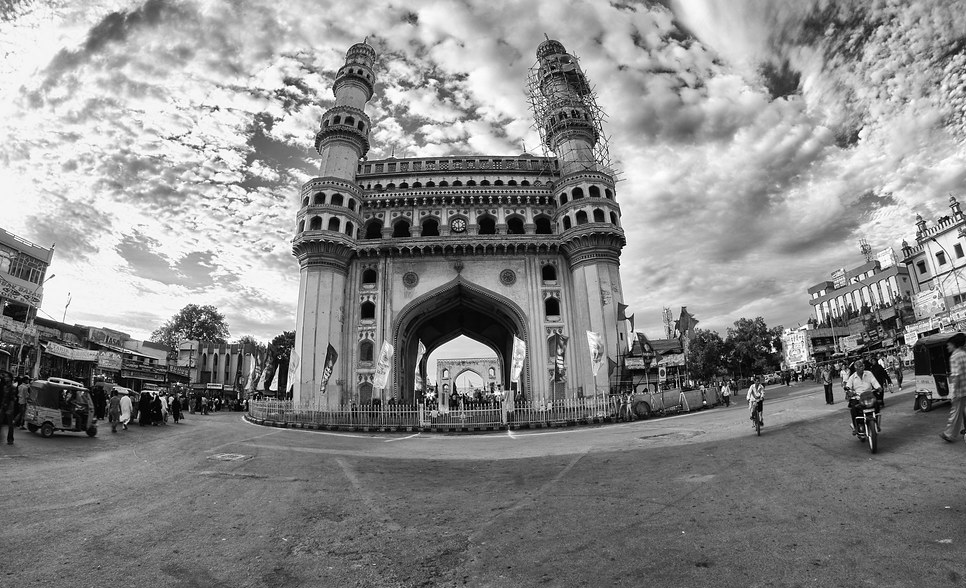
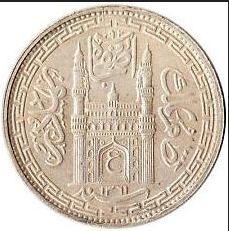
After the founding of Hyderabad in 999 A.H. / 1591 A.D., the first major monument erected by Muhammad Quli Qutb Shah was the Charminar, completed in 1000 A.H. / 1592 A.D. The structure is regarded as a symbolic representation of a Taziya or taboot, evoking the tomb of the great martyr of Karbala, Imam Hussain.
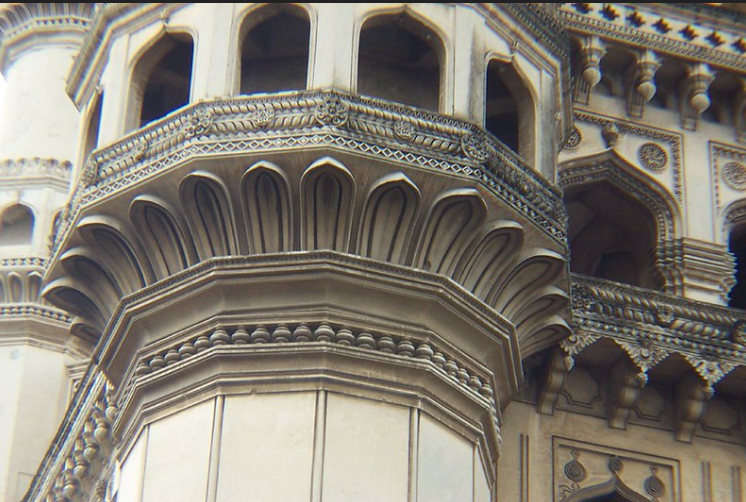
Built of stone and plaster, the monument is perfectly square, each side measuring about 60 feet, and oriented exactly to the four cardinal directions. Each of the four grand arches, opening to a principal street, is about 24 feet wide and 30 feet high. Rising from each corner is a minaret about 160 feet from ground level, four-storeyed, with the uppermost level reached by 146 steps.
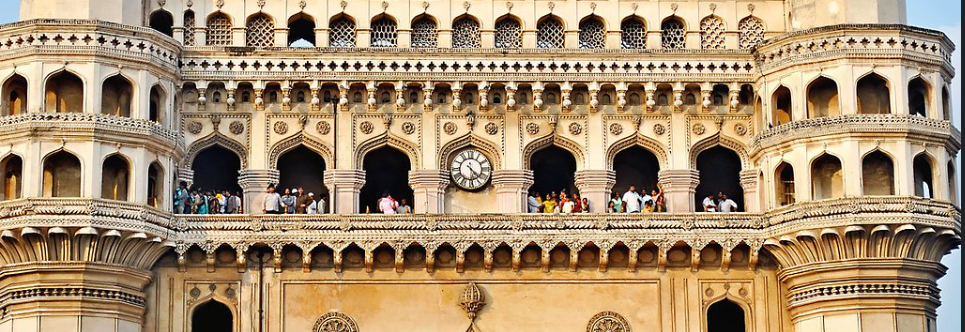
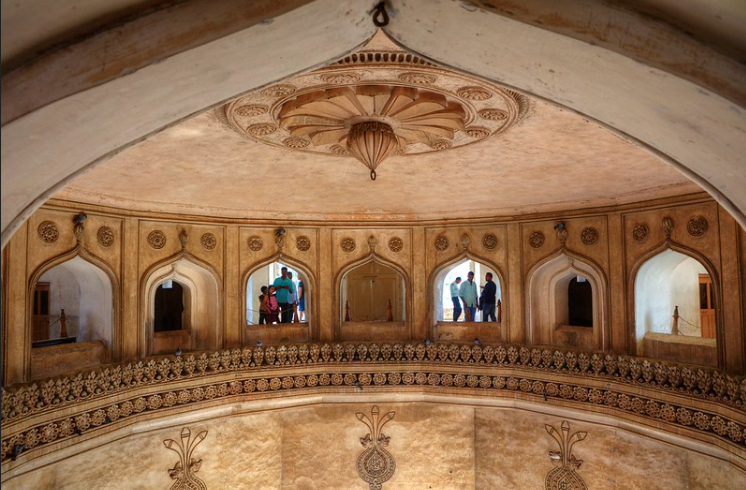
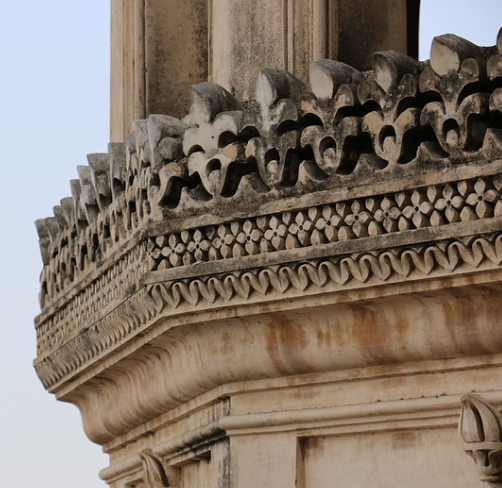
The 17th-century French traveller Jean de Thévenot admired it greatly, noting that no other structure in the city matched its splendor. Dr. Yazdani observed that the double row of arched screens near the roofline softens the visual height, creating a lace-like effect from a distance.
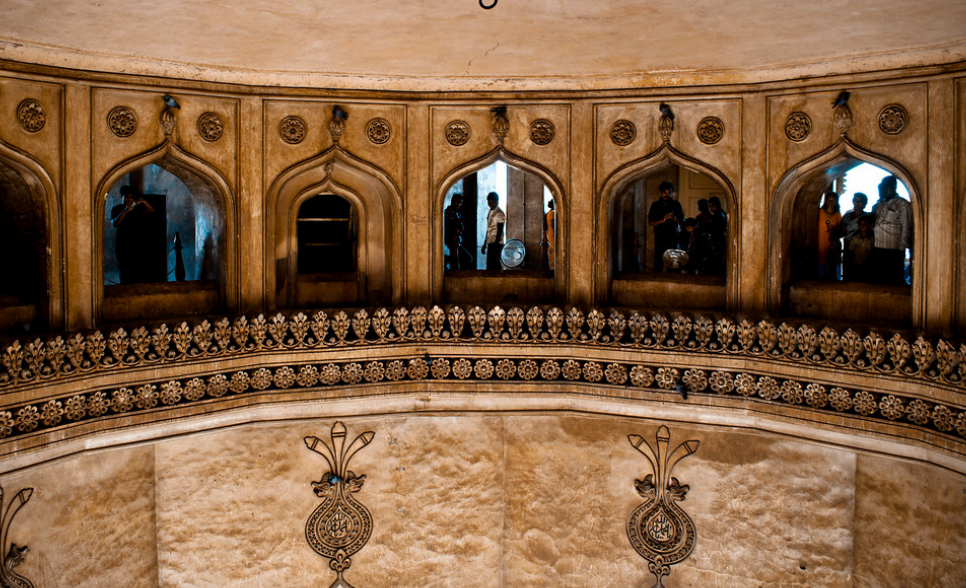
On the western side of the roof stands a mosque, among the earliest of the Qutb Shahi period. It features five double arches symbolizing the Prophet, Ali, Fatima, Hasan, and Hussain. The pointed arches framed by cusped outlines show Deccan adaptation of Mughal stylistic influence. The covered section contains forty-five prayer spaces, with a large open court in front for Friday congregations. A central cupola above the main arch may have served as the place from where the muezzin called to prayer.
Charminar was conceived not only as a monument but as the urban nucleus of the planned city. The upper floors reportedly functioned as a place of learning open to people of different faiths. The minarets contain twelve chambers at various landings, reflecting practical as well as ornamental design.
In later times, it served as a platform for royal proclamations and even as the headquarters of French commander Marquis de Bussy-Castelnau in the 18th century. To this day, it remains a ceremonial focal point, with processions and public events held in its shadow.
Social and Cultural Geography of Hyderabad City by Dharmendra Prasad (ISBN: 81-210-0045-9).